|
| | 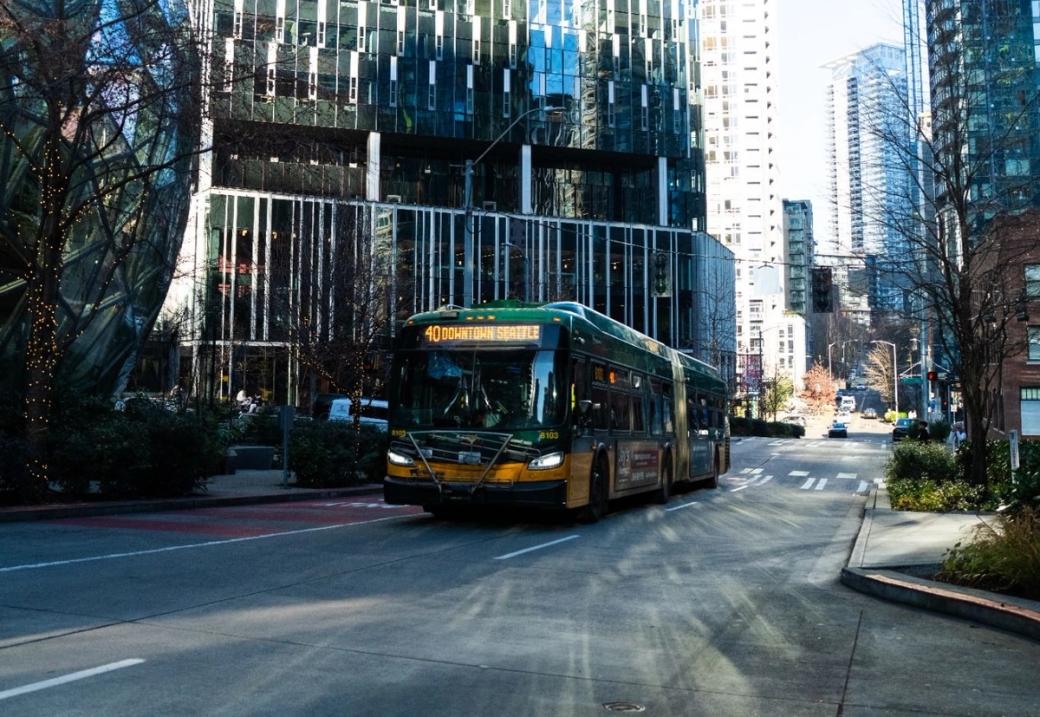 | The mayor’s proposal to increase sales tax to fund expanded bus service will go to voters, who have approved a previous increase in a landslide vote in 2020. (Karina Mattias / City Cast Seattle) |
| Wilson Proposal Would Double Transit Sales Tax | Seattle Mayor Katie Wilson has proposed doubling a sales tax that funds transit service from the current 0.15% to 0.3%. The current tax rate expires after this year. Voters approved that rate by 80.3% in 2020. If approved, the tax increase would raise around $138 million over the next ten years to pay for expanded bus service, service on the city’s two streetcars, and transit passes for low-income riders. [PubliCola] | - What does expanded service mean? The 10-year renewal of the Seattle Transit Measure would increase bus service to an average of 765 trips per day. Those trips would serve lower-income and more diverse neighborhoods, adding capacity to the Aurora Avenue E Line and creating a 15-minute frequency for Route 60 in White Center, Georgetown, and Beacon Hill. It would also allow dozens of routes to operate during off-peak periods, like nights and weekends. The funds would also subsidize up to 22,000 low-income ORCA fare cards, bus station improvements, and Metro Flex neighborhood vans. [Seattle Times]
- Seattle sales tax among top in the nation: The rate increase proposal of 0.3% reaches the maximum amount a city can charge via a transportation benefit district under state law. It would bring Seattle residents’ total sales tax to almost 11%. [The Urbanist]
- Wilson says benefits outweigh costs: When asked about the conflict between her goal of increasing affordability and increasing a regressive sales tax, Wilson said, “When we make our transit system better, we make it possible for more households to live car free or car life, and that could put hundreds or thousands of dollars back into a family's budget, that is real affordability.” [The Urbanist]
|
|
|
|
| What Seattle’s Talking About |
| 🧠 Allen Institute says it’s ready to fix brain disorders: Seattle’s Allen Institute's Brain Health accelerator is getting national attention for its collaboration in a global program called the BRAIN Initiative that began by creating tools to allow scientists to understand how the brain works. They say they’re now ready to develop treatments for brain disorders, including Alzheimer's, Parkinson's, ALS, Lewy body dementia, and Huntington's. [NPR’s Short Wave] | | 👻 Seeing ghosts from Seattle’s past: Seattle University professor emerita Marie Wong is calling for Seattle to protect “ghost signs,” or the fading but visible painted advertisements from our city’s past. In 2013, Wong and a group of Seattle University students documented all the ghost signs in the CID and Pioneer Square on more than 50 buildings. She says many have already been lost to time and graffiti. [Axios Seattle] | | 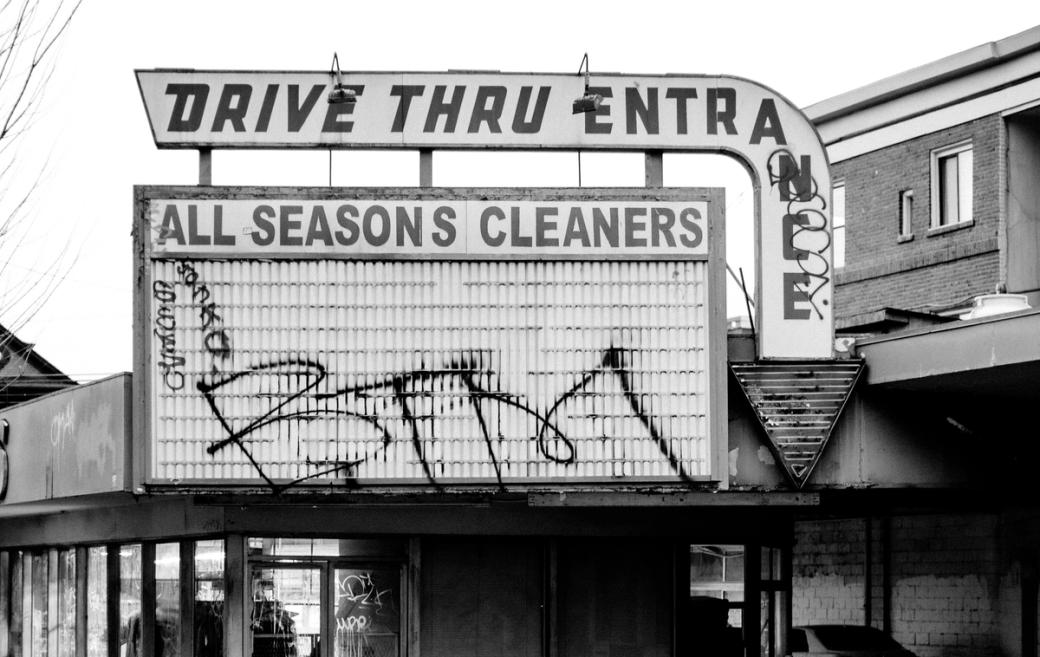 | Graffiti has started to overtake the signs that show Seattle’s storied past from Pioneer Square and the CID to Capitol Hill. (Loubaba / Unsplash) |
| 🗺️ WA urges US Supreme Court to take redistricting case: The state has asked the U.S. Supreme Court to accept a challenge against WA’s political maps, then remand it to a lower court to determine if the Yakima Valley redistricting complies with a recent ruling in a Louisiana case. Depending on what the courts decide, Washington’s legislative district boundaries could change again before they’re next scheduled to be redrawn in 2031. [WA State Standard] |
|
|
|
|
|
Karaoke lovers rejoice! Bush Garden Restaurant and Bar officially reopened yesterday. To celebrate, The International Examiner reprinted David Yamaguchi’s look at the bar’s storied past and its 90s status as the Cheers bar, “where everybody knows your name.” |
| |
|
|
|


